



Herbal Medicine
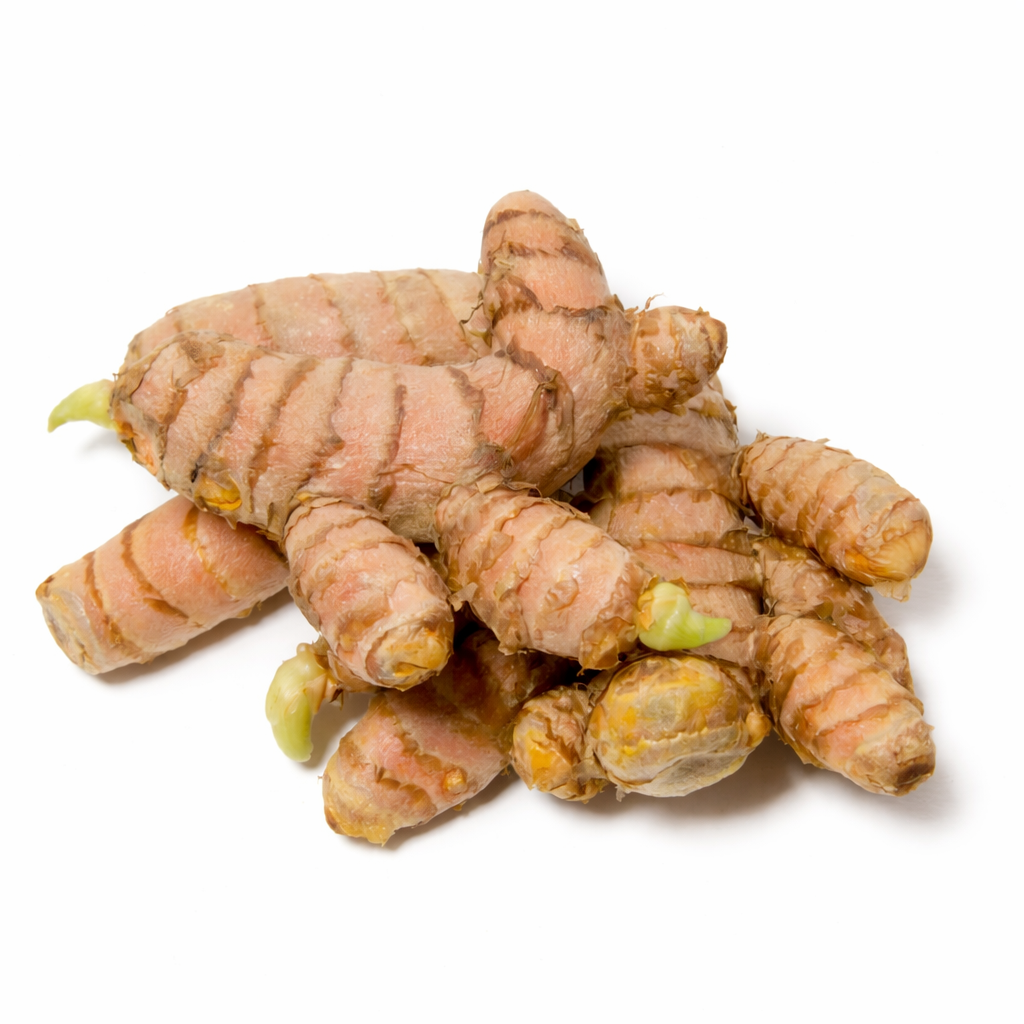
hytotherapy, also known as herbal medicine, is one of the oldest known therapeutic approaches in human history. It uses active compounds derived from medicinal plants that have been used for centuries in various cultures to support health and general well-being. Modern phytotherapy combines this traditional knowledge with insights from contemporary plant research and naturopathic medicine.
In phytotherapeutic practice, different parts of plants are used, such as leaves, flowers, roots, bark, or seeds. These may be prepared as fresh plants, dried plant material (so-called herbal drugs), or processed into standardized extracts. Common forms of administration include teas, tinctures, drops, capsules, tablets, oils, or ointments. Herbal preparations contain a variety of natural constituents which, in combination, may provide a broad spectrum of properties. In naturopathic practice they are traditionally used to support the body’s natural regulatory processes and to promote general well-being. Compared with many synthetic substances, herbal preparations are often described as well tolerated. However, medicinal plants may also cause unwanted effects or interact with other medications. For this reason, their use should always be guided by professional expertise.
The selection of appropriate herbal remedies is carried out within the framework of an individual naturopathic consultation, taking into account the personal situation, existing symptoms, and possible accompanying conditions. Phytotherapeutic applications are intended to complement other naturopathic approaches and do not replace necessary medical diagnosis or treatment in cases of serious illness.
BMS
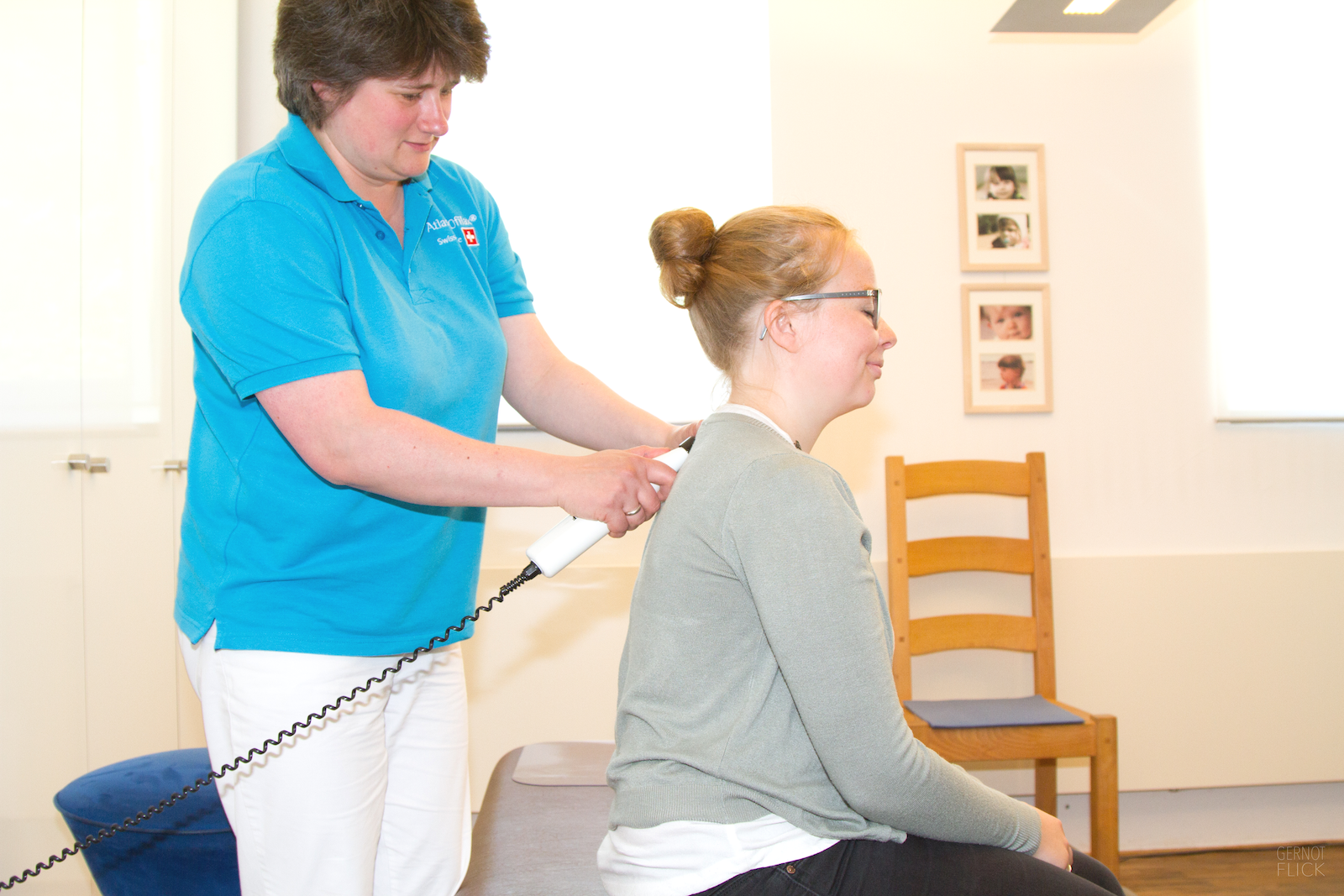
The Biomechanical Muscle Stimulation (BMS) according to Dr. Nassarow is a natural, gentle method used as supportive care in rehabilitation, sports, and training settings. It was developed around 50 years ago by Prof. Dr. Vladimir Nazarov. By specifically influencing certain frequencies and amplitudes, the treatment can help relax the muscles and promote overall well-being.
Fascial Therapy
In our practice we also offer fascial therapy as a complementary treatment. These are manual treatment methods that focus on the body’s fascial system. Fasciae are connective tissue structures that surround, connect, and stabilize muscles, organs, and other parts of the body.
Through targeted manual techniques, tension in the fascial tissue can be addressed. The aim of the treatment is to support the mobility of the tissue and improve body awareness. Many people experience this type of treatment as pleasant and relaxing.
Fascial therapy is often used by people who wish to improve their mobility or support their physical well being. The treatment is provided individually and is adapted to the specific situation of each patient.
Dorn Therapy
he Dorn Method is a gentle manual technique that can encourage self-help. It supports the body in harmonizing muscular imbalances and postural patterns.
The Intestines
From a naturopathic perspective, the intestines play a central role in overall well-being and in many regulatory processes within the body. In our practice, we therefore consider the intestines to be an important component of a holistic understanding of health. Digestion, nutrition, lifestyle habits, and individual stress factors can all be related to the intestinal environment and are taken into account in our assessments.
Another key focus of our work is the naturopathic support of intestinal health. This is usually based on a laboratory stool analysis, which can provide insights into the composition of the gut microbiota, digestive residues, or other functional aspects of the intestinal environment.
The results of such an examination are always considered in the context of the overall health picture. Based on these findings, naturopathic support can be provided as appropriate for the individual situation.
A particular emphasis is placed on applications from Phytotherapy. Herbal preparations have traditionally been used in naturopathic practice to support various functions of the digestive system and to promote a balanced intestinal environment. The selection of remedies is individualized and guided by the results of the anamnesis and, where applicable, the stool analysis.
Immunotherapy according to Dr. Spengler
Anja and Gernot Flick successfully completed advanced training in “Immunotherapy according to Dr. Spengler.” The training provided insights into the complexity of our immune system and an introduction to Dr. Spengler’s therapeutic approach.
As part of this training, we became familiar with immunotherapy according to Dr. Spengler. This approach involves the use of naturopathic remedies such as Spenglersan colloidal preparations, which aim to support the immune system in a natural way. These preparations are applied externally and are intended to promote the body’s own defenses as a complementary measure.
Note
Our treatments are intended as complementary measures and do not replace conventional medical diagnosis or therapy. Please always consult your physician if you have any health concerns.